
What is Climate Controlled Storage? A Simple Guide

Alex Maghen • July 30, 2026

Share this article

Climate controlled storage is a specialized storage unit designed to maintain a stable environment by regulating both temperature and humidity levels. Typically kept between 55°F and 85°F, these units protect sensitive belongings—such as wood furniture, electronics, and artwork—from extreme heat, freezing cold, and moisture damage like mold or warping.

What is climate controlled storage and how does it work?

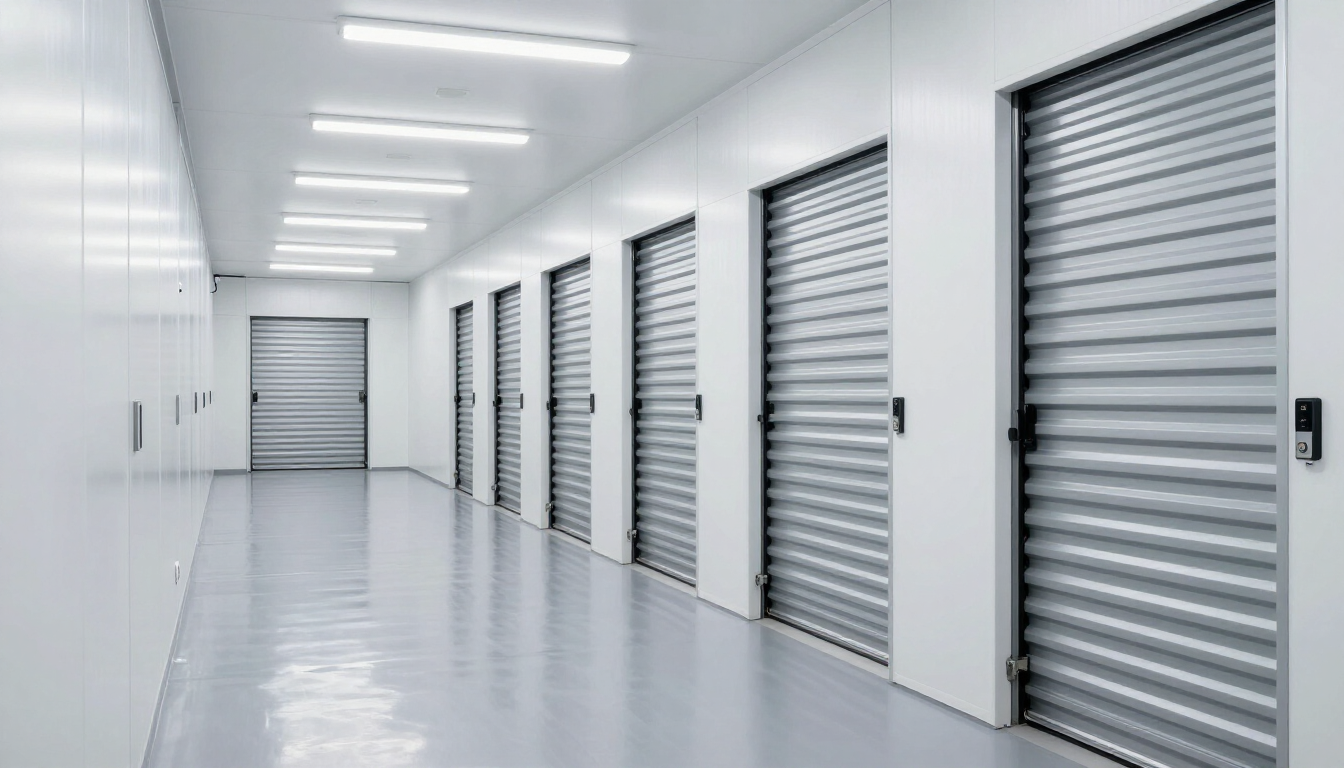
Climate controlled storage goes beyond simply providing a four-walled space for your boxes. At its core, it is an HVAC-integrated storage solution. Unlike standard drive-up units that are subject to the fluctuating temperatures of the outdoors, climate-controlled units are usually located inside a finished building with insulated walls. These facilities use centralized heating, ventilation, and air conditioning (HVAC) systems to ensure the air remains within a specific, consistent range regardless of the season outside.

But temperature is only half of the equation. High-quality climate-controlled facilities also use dehumidifiers or specialized air systems to manage the moisture content in the air. This is vital because high humidity can lead to the growth of mold and mildew, while extremely low humidity can cause organic materials like wood or leather to dry out and crack. By stabilizing the environment, these units act as a protective barrier against the natural degradation processes that occur when items are left in fluctuating environments like attics, basements, or garages.

At Storelocal Storage , we prioritize the integrity of your belongings. Understanding the mechanics of these systems helps you make an informed decision about whether your specific items require this level of protection. While a plastic bin of holiday decorations might survive in a standard unit, your grandmother’s antique oak dresser or your collection of vintage vinyl records requires the steady hand of climate regulation.

Key Benefits of Humidity Regulation

Many people confuse "temperature controlled" with "climate controlled." While temperature control focuses solely on the thermostat, true climate control addresses the relative humidity of the air. This distinction is critical for long-term preservation. When humidity levels rise above 55% or 60%, the risk of fungal growth increases exponentially. Conversely, when the air becomes too dry, delicate items lose their structural moisture.

  • Prevents Mold and Mildew: Damp air is the primary cause of ruined fabrics, upholstery, and paper documents.
  • Protects Wood Integrity: Wood expands in high humidity and contracts in low humidity; regulation prevents splitting and warping.
  • Reduces Dust Accumulation: Because these units are usually indoor and air-filtered, they tend to be cleaner than outdoor units.
  • Inhibits Corrosion: Metals are less likely to rust or oxidize when the air is kept at a steady, dry level.
  • Preserves Electronics: Humidity can cause internal circuitry to corrode or short-circuit over time.
Climate Controlled Facility Interior

What items require a climate-controlled environment?

If you are planning to store items for more than a few months, you should evaluate their material composition. Natural materials and complex electronics are the most vulnerable to atmospheric changes. If an item is valuable—either financially or sentimentally—investing in a climate-controlled environment is often the safer choice.

Consider the following categories of items that generally require climate control:

  1. Furniture and Woodwork: Antiques, pianos, and any furniture made of solid wood or leather can warp, crack, or rot without stability.
  2. Electronics and Media: Computers, televisions, cameras, and physical media like vinyl records, DVDs, and old photographs.
  3. Important Documents: Legal papers, tax records, and irreplaceable family photos can yellow and become brittle in heat.
  4. Clothing and Textiles: Natural fibers like wool, silk, and linen are highly susceptible to mold and moth damage in humid conditions.
  5. Collectibles: Stamp collections, wine, musical instruments, and fine art require precise environmental conditions to maintain their value.

Why do you need climate control for your belongings?

The primary reason to choose this option is the "peace of mind" factor. If you live in a region that experiences heavy snowfall in the winter or intense humidity in the summer, the items inside a standard metal storage unit will undergo significant stress. The expansion and contraction of materials at a molecular level eventually lead to structural failure.

For example, consider a leather sofa. In a standard unit during a humid summer, the leather can absorb moisture and develop a musty odor that is nearly impossible to remove. In a dry, freezing winter, that same leather can become brittle and crack. A climate-controlled unit eliminates these extremes, ensuring that the sofa you pull out of storage looks and smells exactly like the one you put in. This is why we often suggest reviewing our About page to see how our facility standards cater to these specific preservation needs.

Choosing the Right Storage Unit Size

Once you have decided on climate control, the next step is determining how much space you actually need. Because climate-controlled units are often located within a building, they may have different ceiling heights or access points compared to outdoor units. It is important to inventory your items accurately to avoid paying for empty space or, conversely, over-packing a unit and blocking the essential airflow required for the HVAC system to work effectively.

When packing a climate-controlled unit, leave a small gap between your items and the walls. This allows the tempered air to circulate around your belongings, ensuring that no "micro-climates" of moisture develop in the corners. Using pallets to lift items off the floor is another excellent strategy to maximize the benefits of the facility's environmental regulation.

Packing a Storage Unit

What about specialized storage for vehicles?

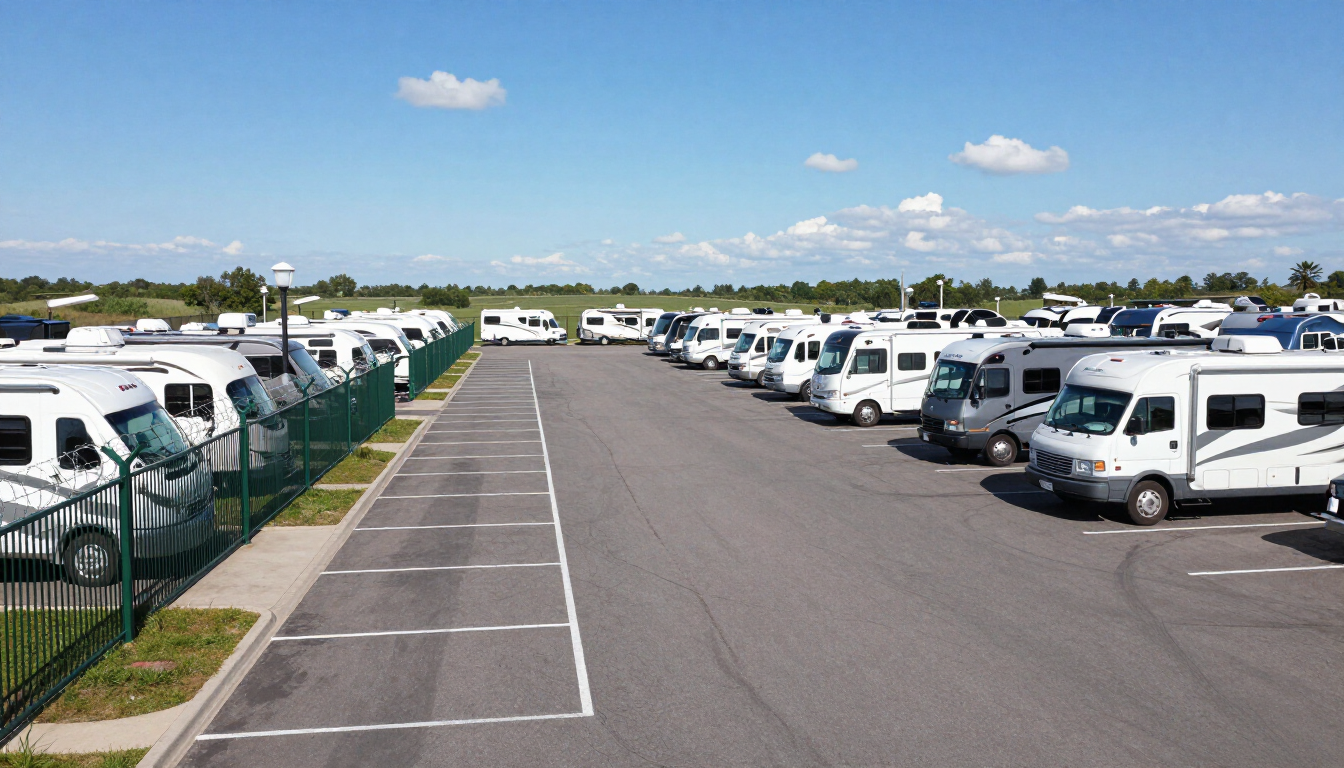
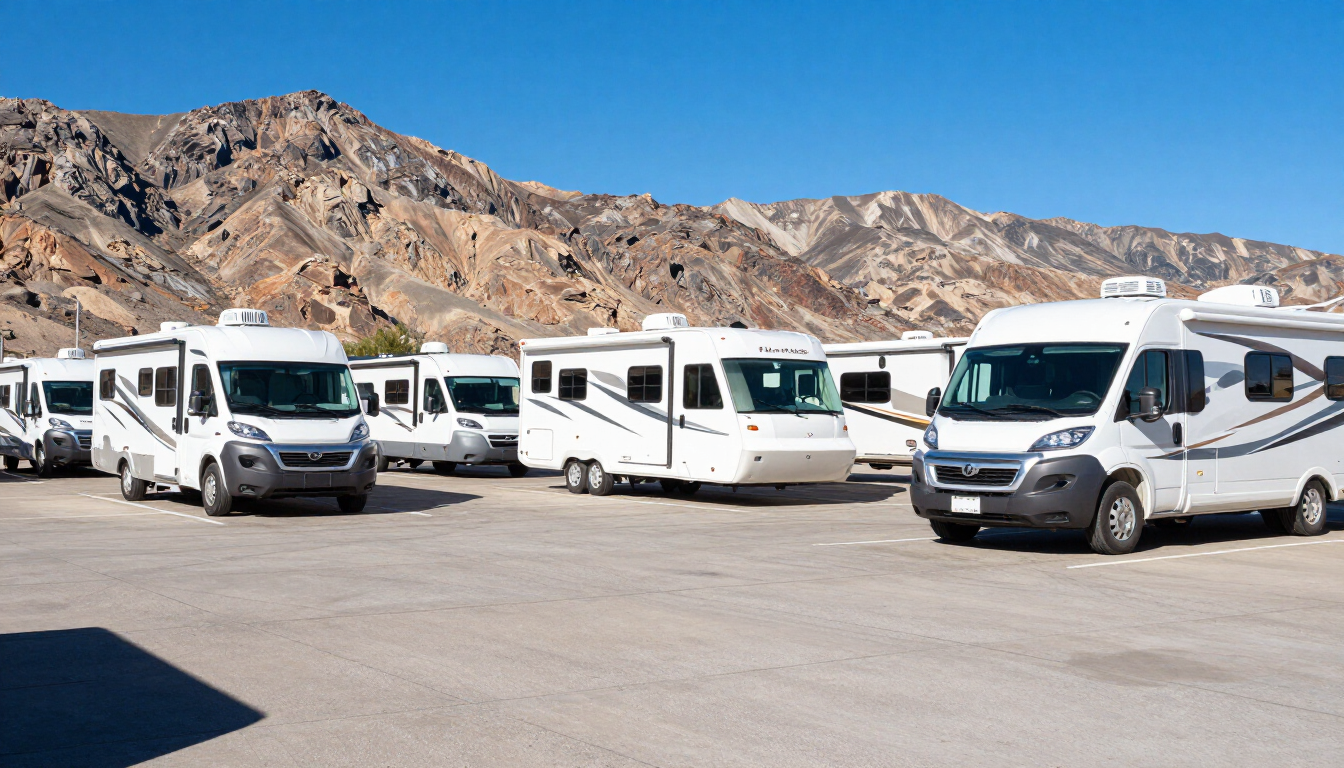
While personal household items are the most common residents of climate-controlled units, vehicles also require specialized care. Many enthusiasts use indoor units for classic cars or motorcycles. However, for larger needs, checking out RV parking spaces is a separate but equally important consideration. When evaluating a facility for vehicle needs, you should look for paved lots, high-quality security fencing, and adequate space for maneuvering large rigs.

If you are storing a recreational vehicle, you should ensure the site offers easy entry and exit points and, ideally, some form of weather protection. While full climate control for an RV is rare, choosing a facility that specializes in Vehicle Storage ensures that the ground is level and the security is top-tier. Always walk the perimeter of the parking area to check for proper drainage and lighting, as these factors significantly impact the long-term safety of your vehicle during the off-season.

Is climate controlled storage worth the cost?

A common question from customers is whether the higher monthly premium for climate control is justified. The answer usually depends on the replacement cost of your items. If you are storing $5,000 worth of furniture, paying an extra $20 to $40 a month to ensure it doesn't rot is a small price for insurance.

Think of climate control as a form of preventative maintenance. It is much cheaper to pay for a controlled environment than it is to refinish a warped dining table or replace a ruined collection of electronics. For those storing business inventory or pharmaceutical samples, climate control isn't just an option—it’s often a legal or professional requirement to maintain the efficacy and quality of the products.

Storage Maintenance and Preparation Tips

To get the most out of your climate-controlled unit, preparation is key. Even in a perfect environment, how you pack matters:

  • Clean Everything: Ensure furniture is polished and clothes are laundered to prevent any pre-existing organic material from attracting pests.
  • Use Breathable Covers: Avoid wrapping furniture in thick plastic, which can trap moisture. Use cotton sheets or moving blankets instead.
  • Label for Airflow: Arrange your unit so that the items you need most are at the front, but keep heavy items towards the back to allow air to flow through the center.
  • Check In Periodically: Even with climate control, it is a good idea to visit your unit every few months to ensure everything is in order.
RV Parking and Vehicle Storage

Summary of Climate Control Essentials

Choosing the right storage solution is about matching the environment to the vulnerability of your belongings. Climate controlled storage provides a stable, indoor atmosphere that mitigates the risks of temperature spikes and humidity damage.

Core Takeaways:

  • Definition: Climate control maintains a steady 55°F–85°F range and regulates humidity.
  • Best For: Wood, electronics, leather, paper, and sentimental valuables.
  • Key Benefit: Prevents mold, warping, cracking, and rust through air stabilization.
  • Next Step: Inventory your items and decide if their replacement value exceeds the cost of a premium unit.

If you are ready to protect your valuables or need to explore options for Vehicle Storage , contact our team today to find the perfect fit for your needs.

Recent Posts

By Gagan Kc August 18, 2026
This is a subtitle for your new post
August 5, 2026
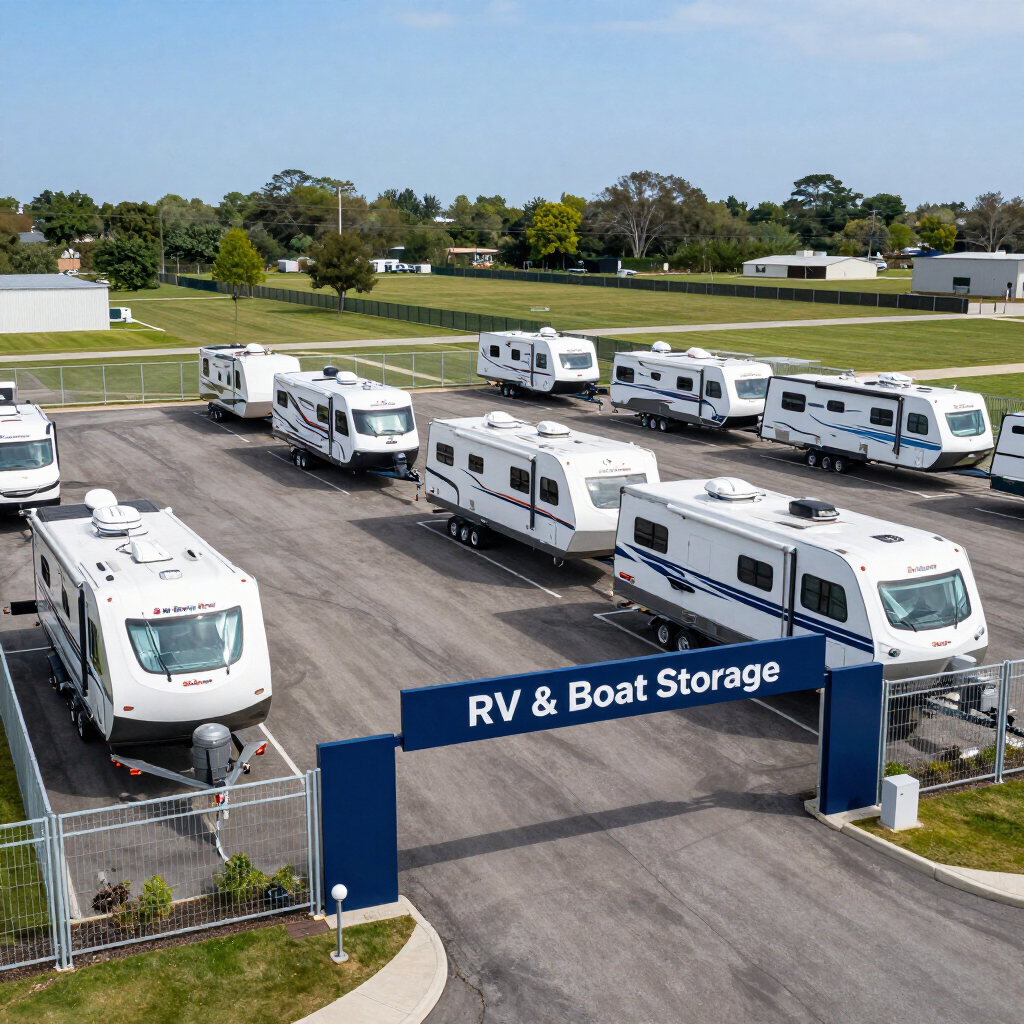
Bellflower's Ultimate RV & Boat Storage Experience Beyond Parking
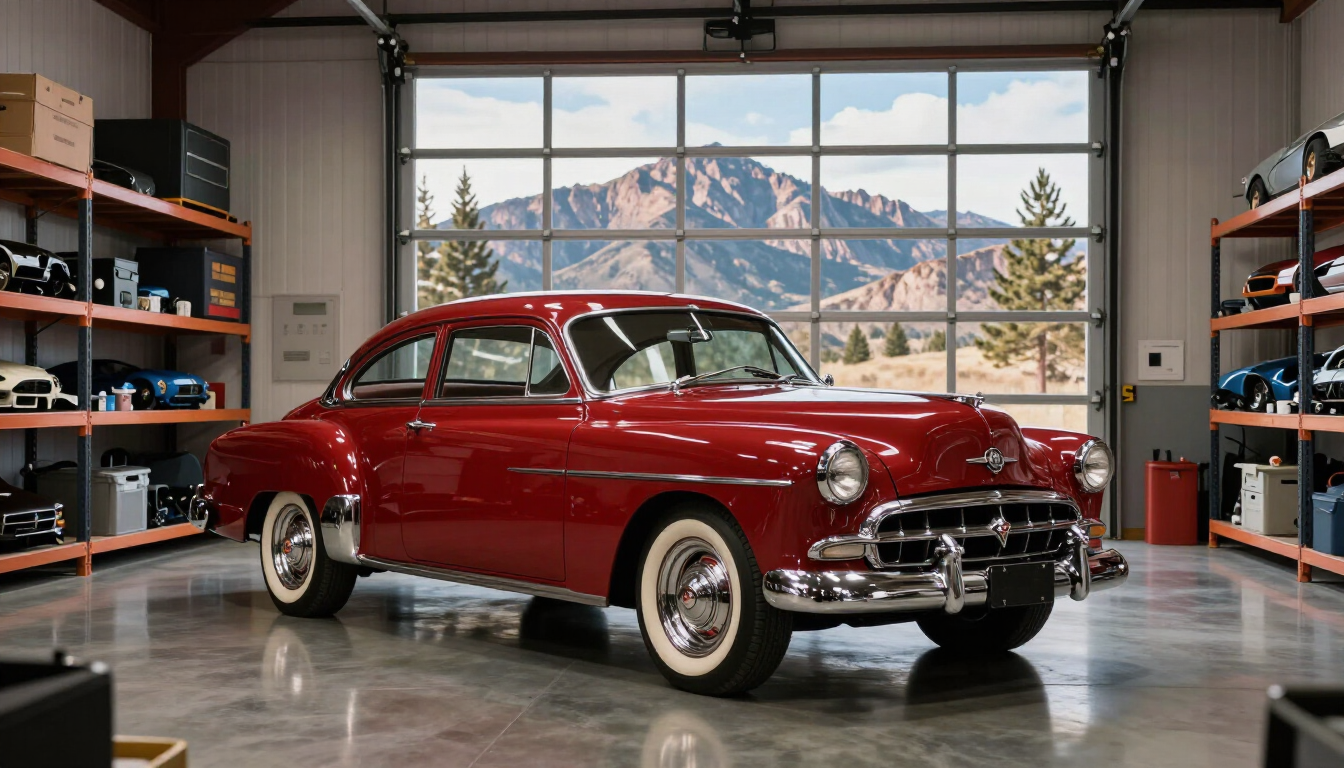
Classic car stored in a clean Reno storage unit.
By Alex Maghen July 31, 2026
Discover how to properly prepare your classic vehicle for classic car storage in Reno. Expert tips on cleaning, fluids, and climate control protection.
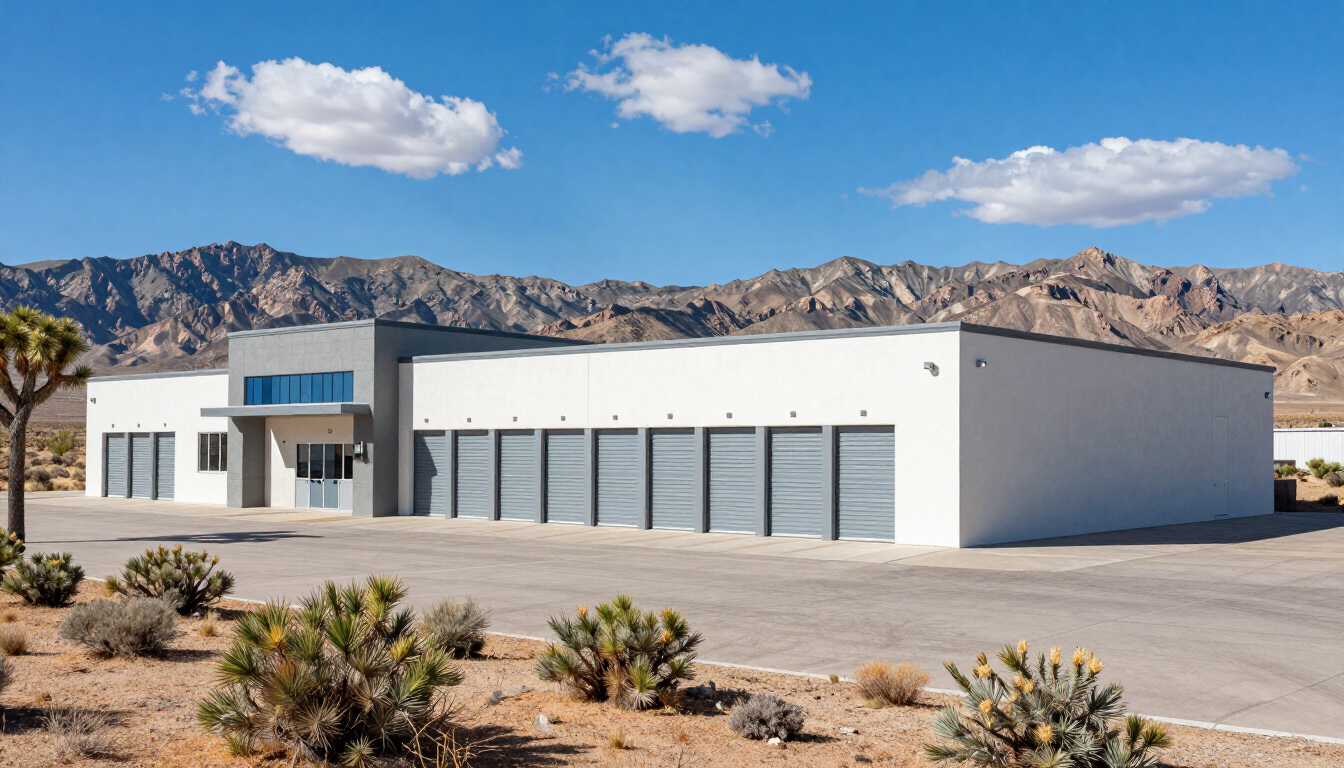
A modern climate controlled storage facility in Reno, Nevada.
By Alex Maghen July 31, 2026
Discover why climate controlled storage in Reno is essential for protecting your valuables from Nevada’s extreme temperatures and dry air. Learn which items need protection.

Clean and organized self storage unit interior
By Alex Maghen July 30, 2026
What should you NOT put in self storage? Learn the top 8 prohibited items to keep your storage unit near me safe and pest-free while maintaining a sense of humor.
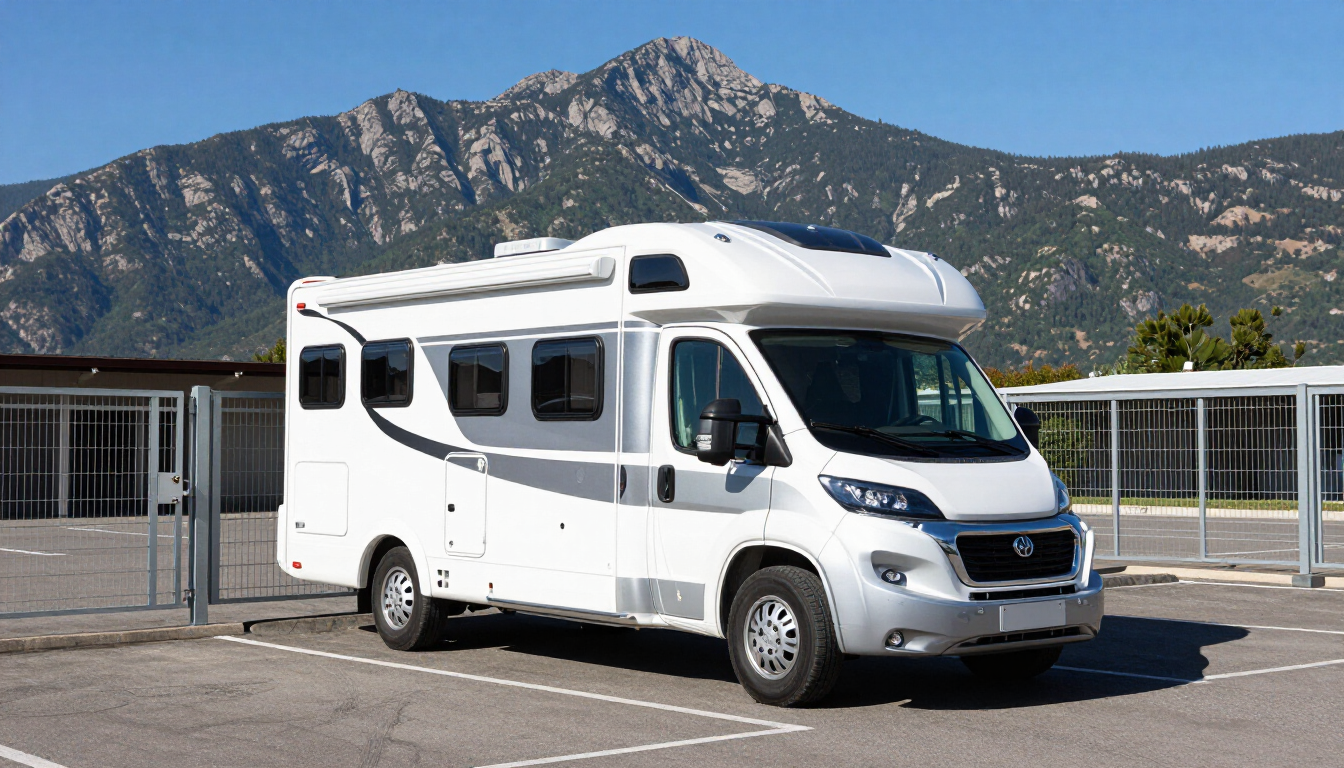
A modern RV parked in a clean, secure storage facility under a bright sky.
By Alex Maghen July 30, 2026
Tame the spring cleaning chaos! Discover how RV parking spaces can save your garage and keep your recreational vehicles secure all year long.
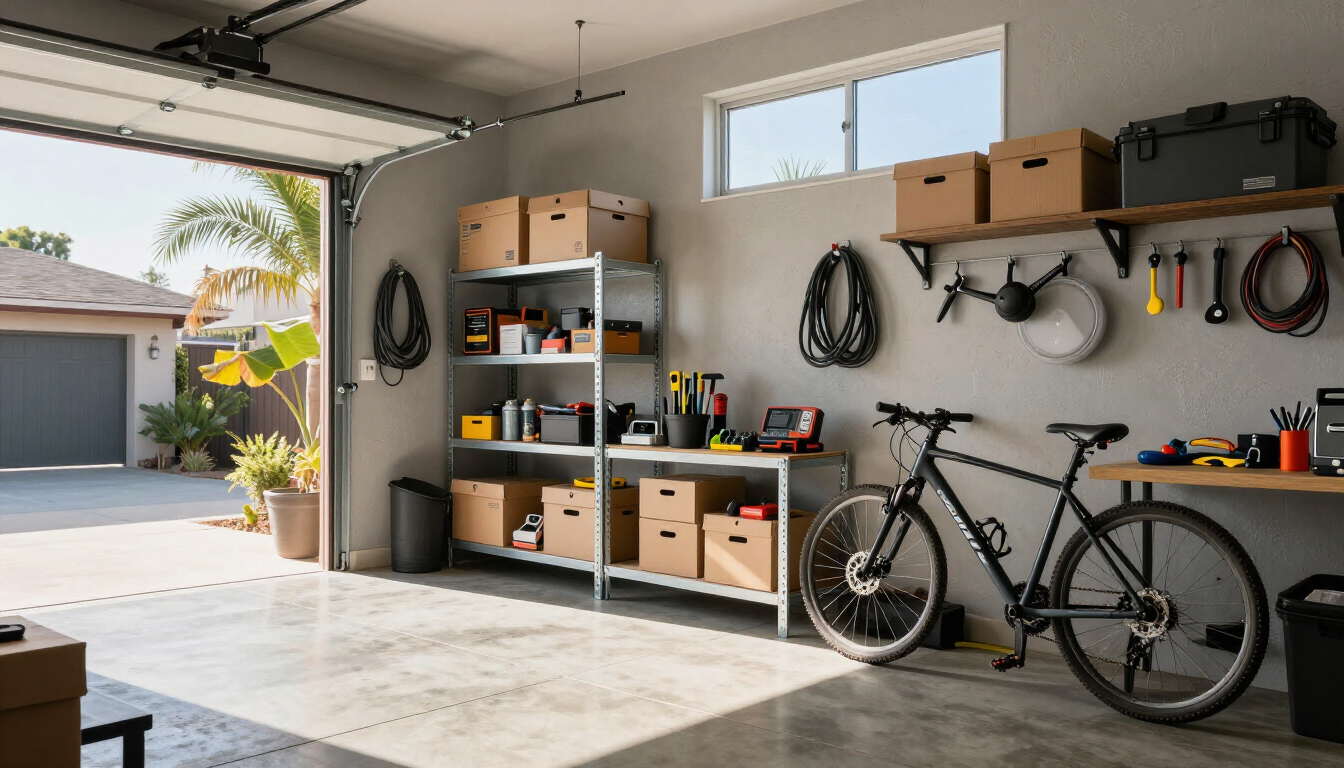
Organized storage unit with boxes and household items
By Alex Maghen July 30, 2026
Are you drowning in clutter? Discover 5 hilarious signs you need a storage unit in California and get expert tips for checking out RV parking spaces at Storage Outlet.
A dusty storage unit filled with strange and mysterious items.
By Alex Maghen July 28, 2026
Discover the craziest self storage horror stories and weirdest items ever found in units, from wild animals to eerie collections.